A small home works better when every purchase solves a real problem. Before picking colours or cabinets, notice where shoes collect, where bags are kept, and how people move between rooms. These simple home interior design ideas help owners of 1BHK and 2BHK flats choose furniture, storage, and finishes with fewer costly mistakes.
For homeowners planning their apartment interiors in Gurugram, Aenaisha Design Studio offers residential interior design solutions focused on practical layouts and personal preferences. The following ideas will help you understand what to consider before buying furniture, selecting materials, or planning your home interiors.
15 Practical Interior Choices That Make Small Apartments Work Better
1. Plan Your Daily Walking Route
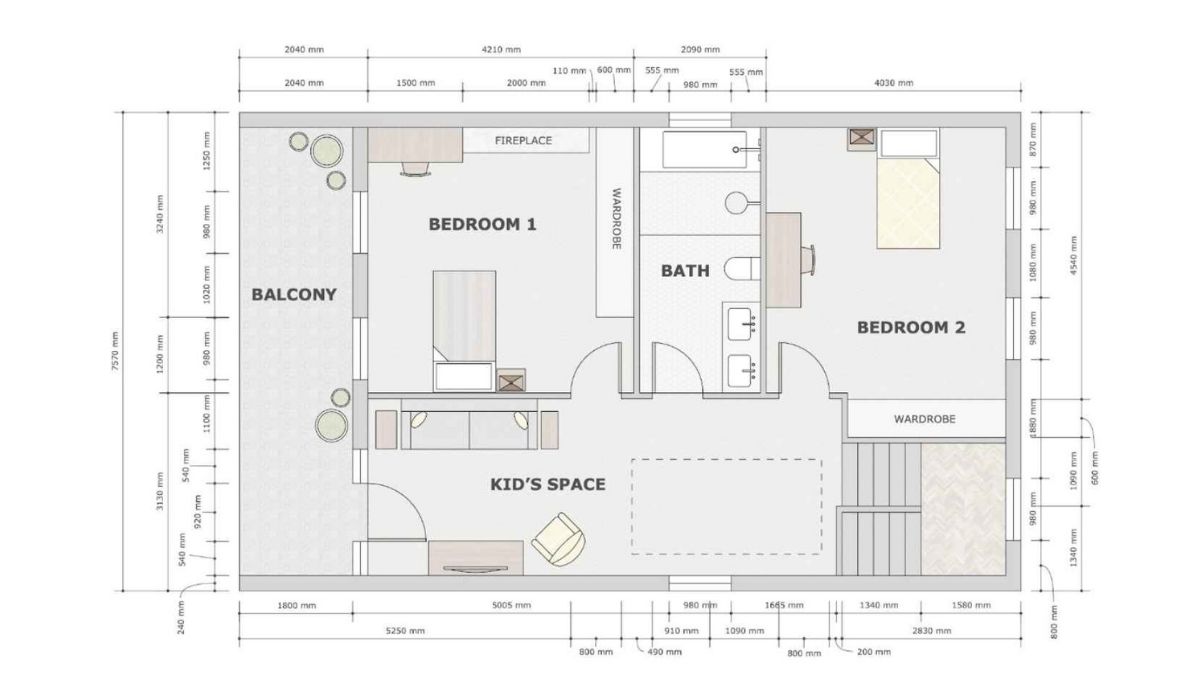
Draw your rooms and mark doors, windows, and furniture. Keep a clear path to the kitchen and balcony. A beautiful cabinet is not useful if its doors block movement.
2. Check Furniture When Fully Open
For a narrow 2BHK living room, compare a two-seater sofa with a bulky sectional. Mark the space using tape. If buying a sofa-bed, measure it when unfolded, including walking space.
3. Make an Entrance Drop Zone
A shallow shoe cabinet, wall hooks, and a small tray can keep keys and bags together. Check that cabinet doors do not hit the main entrance door.
4. Put Storage Where Items Are Used
Store cleaning supplies near the utility area and school bags near the study corner. Everyday items should be easy to reach; heavy items belong on lower shelves.
5. Compare Wardrobe Doors Honestly
Sliding doors save opening space but reveal only part of the wardrobe at once. Hinged doors need clearance. Check track quality, hinges, drawer access, and internal shelf measurements.
6. Choose Bed Storage by Access
Side drawers need space beside the bed. A lift-up bed needs a safe mechanism and room above it. Test opening effort before paying, especially for everyday storage.
7. Separate Cabinet Core From Finish
Plywood, MDF, and particleboard are core materials; laminate is a surface finish. Ask for board type, thickness, edge sealing, and cleaning instructions. No material suits every room equally.
8. Protect Kitchen Areas Near Water
For a modular kitchen, check sink-area moisture exposure, sealed cut edges, plumbing access, and ventilation. Moisture-resistant boards are not waterproof. Ask how leaks and repairs can be accessed later.
9. Test Kitchen Drawers and Hinges
Open sample drawers fully. Compare runner strength, soft-close function, and hardware brand. Deep drawers can make pots easier to reach than low shelves in some layouts.
10. Place Sockets Before Cabinets
Plan outlets for the router, television, mixer, and bedside charging. Ask for an electrical drawing before installation. Avoid hiding sockets where appliances or heavy cabinets block access.
11. Light Tasks, Not Just Rooms
Use a counter light for chopping, a reading lamp near the bed, and general lighting for movement. Check switch locations after deciding furniture positions.
12. Choose Dining Furniture for Most Days
A foldable two-person table may suit a couple better than a fixed six-seater. Measure chair pull-out space and select a tabletop that is easy to wipe clean.
13. Pick Surfaces for Daily Cleaning
Glossy doors can show fingerprints, while deep textures may collect dust. Light wall colours and matching furniture finishes can make a room feel more open. Ask for samples and cleaning guidance before choosing materials.
14. Divide Rooms Without Blocking Light
Use a slim open shelf or rug to mark a work corner. Secure tall furniture to a suitable surface. Leave windows, doorways, and airflow unobstructed.
15. Give the Balcony One Main Purpose
Decide whether you need seating, drying space, or plants. Choose weather-resistant items, keep drainage clear, and check society rules before attaching anything to railings or walls.
Budget Planning and Quotation Checklist for Gurugram Flats
For low budget home interior design, first spend on what improves daily use: kitchen storage, a practical wardrobe, and lighting. Reuse good furniture instead of replacing everything. When comparing a home interior designer in Gurugram, request a room-wise estimate, not just one total figure.
Before approving a quotation, check:
- Drawings: Final measurements, approved layouts, and cabinet opening space.
- Materials: Board grade, thickness, finish samples, and hardware models.
- Charges: Delivery, installation, taxes, and excluded electrical or civil work.
- Payments: Milestones, additional change costs, and handover conditions.
Compare quotations using the same material specifications to understand price differences.
Aenaisha Design Studio can discuss layout choices and material preferences for your flat. Confirm the final scope, selected finishes, and project terms in writing.
Conclusion
Good small apartment interior design is about choices you can live with and maintain. If you are looking for a residential interior designer
in Gurugram, speak with Aenaisha Design Studio about your floor plan, storage problems, style, and budget. Ask for suitable design options and a clear written proposal before making your decision.
Frequently Asked Questions
Q1. What should I measure before buying furniture?
Measure the room, entry doors, lift access, and space needed to open drawers or unfold furniture.
Q2. Which kitchen board is best?
It depends on moisture exposure, budget, and use. Compare the core board, edge protection, hardware, and maintenance.
Q3. What should I ask a Gurugram home interior designer?
Ask for drawings, material samples, a detailed estimate, exclusions, payment stages, and how changes are charged.
Q4. How do I avoid interior design overspending?
Set room-wise priorities, compare written quotes, approve samples early, and keep money aside for unexpected repairs.